A comprehensive record of GEPaDC's field interventions across Nigeria — documenting education, protection, livelihood, and wellbeing programmes delivered.
Operational Snapshot
Cumulative impact across active intervention zones across Nigeria.
Bama & Ngala LGA
GEPaDC conducted life skill sessions for adolescent boys and girls in the Ngomari community of Bama LGA, aimed at strengthening their communication, decision-making, and self-confidence through interactive discussion and experience sharing.
Result: Increased participant confidence and awareness, empowering them to make positive choices and build healthy relationships.


Bama & Ngala LGA
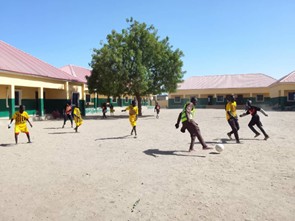
Football matches were organized in Bama and Ngala LGA to provide a safe, engaging space for children to play and express themselves freely. The activity encouraged teamwork and physical exercise, helping children relax, build friendships, and enjoy a sense of normalcy.

Bama & Ngala LGA
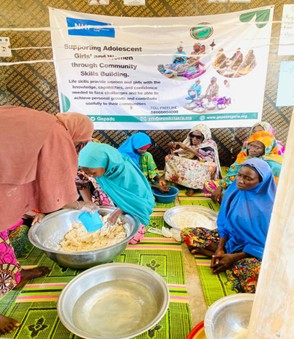
Life skills sessions on pasta making and sewing were held for adolescent girls and women in Bama and Ngala LGA, strengthening practical livelihood skills and creating opportunities for income-generating activities to support family resilience.

Bama & Ngala LGA
GEPaDC celebrated International Women's Day in Bama and Ngala LGA, bringing women and girls together to promote their rights and honour their contributions. The event fostered solidarity and increased awareness of gender equality through drama presentations and skills building.


Ngala & Bama LGA
To mark the International Day of Zero Tolerance for FGM, GEPaDC engaged community members in Ngala and Bama on the harmful effects of the practice, strengthening commitment to protect the health of women and girls and advocate for the abandonment of FGM.


Borno State
A safeguarding training session for all staff and volunteers was organized via Education Cannot Wait to enhance their understanding of safeguarding principles. The training improved capacity to identify and respond to safeguarding concerns, promoting a safer environment for beneficiaries.

Maiduguri Office
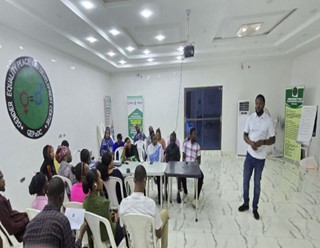
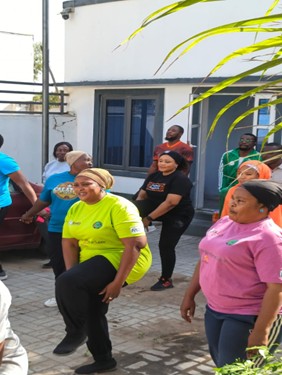
GEPaDC implemented a workplace wellness initiative focusing on staff mental health. Participants engaged in physical exercises and collaborative games that encourage self-care and stress management, strengthening teamwork and peer support in a healthier work environment.

Borno State
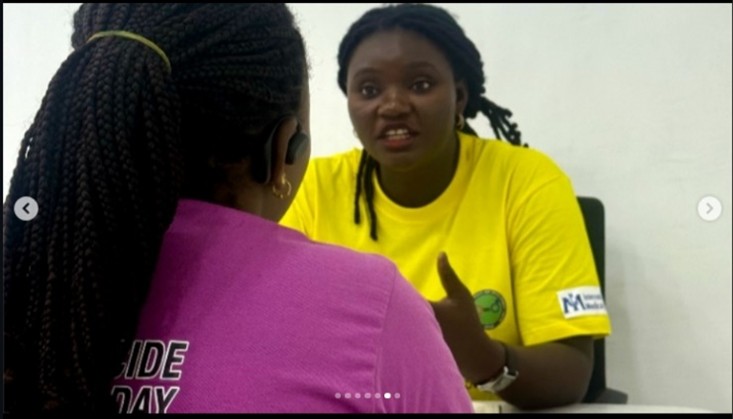
GEPaDC organized awareness sessions for staff on mental health, early warning signs, and support services. The MHPSS officer provided one-on-one sessions, fostering a culture of care, reducing stigma, and empowering staff with knowledge to support themselves and others.

Damboa LGA
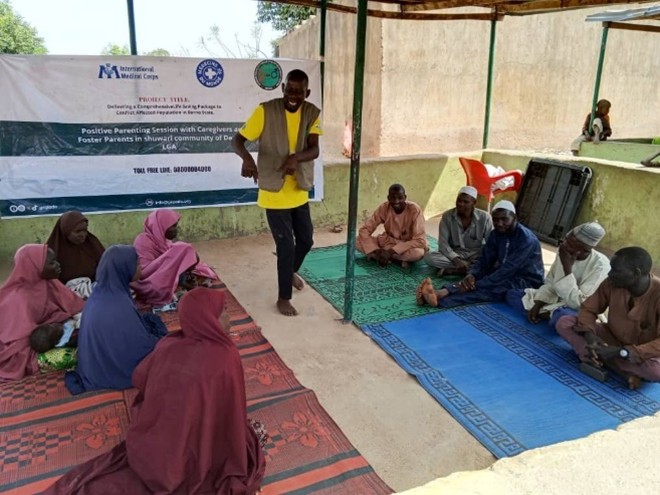
Caregivers in Damboa LGA participated in sessions to strengthen their child care skills. Participants learned positive discipline techniques and the importance of emotional support, creating a safer and more nurturing environment for children through non-violent parenting practices.

Ngala & Damboa LGA
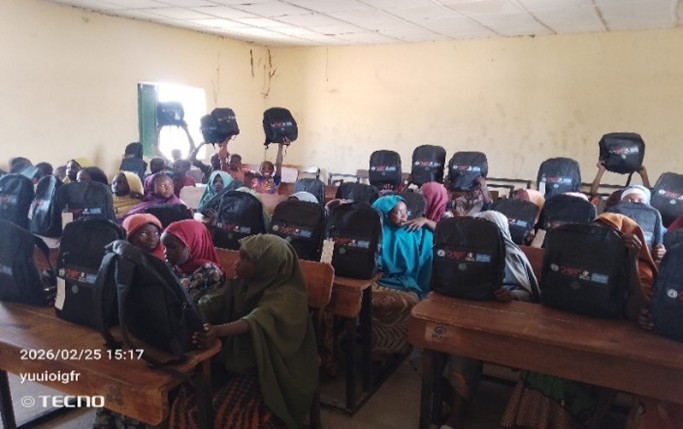
GEPaDC distributed essential scholastic materials to learners in Ngala and Damboa LGA to support quality education and improve learning outcomes. This initiative reduced barriers to education and enhanced student participation in school activities.

Gwoza, Jere, Konduga & MMC
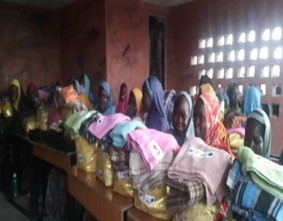
Hygiene kits were distributed to adolescent girls across Gwoza, Jere, Konduga, and MMC LGA to support menstrual health. This intervention promoted dignity and safety in school settings, contributing to improved academic and social participation.

Pulka, Gwoza LGA
GEPaDC constructed Temporary Learning Spaces (TLS) and latrines in Pulka (Kiva community) to provide a safe, hygienic, and conducive environment for education, significantly improving school access for children in the area.

Bayan Texaco, MMC LGA
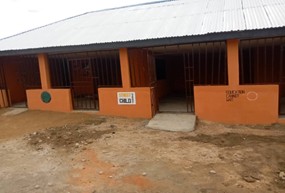
A community library was established at Bayan Texaco to provide learners access to educational resources. The initiative promotes a culture of reading and enhances literacy skills among learners in the community.


Gwoza, Jere, Konduga & MMC
GEPaDC mainstreamed learners from Temporary Learning Spaces into formal schools across Gwoza, Jere, Konduga, and MMC LGA. This activity bridged the learning gap and prepared learners to better integrate with peers for continuous academic growth.

Damboa LGA
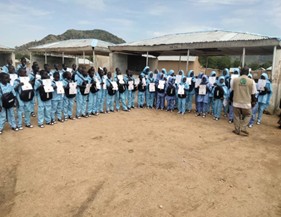
Teaching and learning sessions were supported in Damboa LGA to improve educational quality. Through structured lessons and interactive engagement, learners showed improved understanding and a greater interest in their studies.


Gender Equality Peace and Development Centre
GEPaDC conducted a three-day training to strengthen the implementation of Nigeria's Minimum Standards for Safe Schools, focusing on child safeguarding, preparedness, and local collaboration.
A total of 46 participants (28 male, 18 female, including 1 person with disability) took part in the sessions. The training covered school safety standards, child protection, psychosocial support, and case management, using interactive discussions and practical group work. Participants developed draft school-level safety action plans to guide safety implementation within their respective schools.
The training strengthened the capacity of teachers and SBMC members to promote safe and protective learning environments in Damboa LGA. By enhancing understanding of school safety standards and encouraging coordinated action, the activity contributed to improved protection and resilience for children in crisis-affected communities.
Help Fund This Work